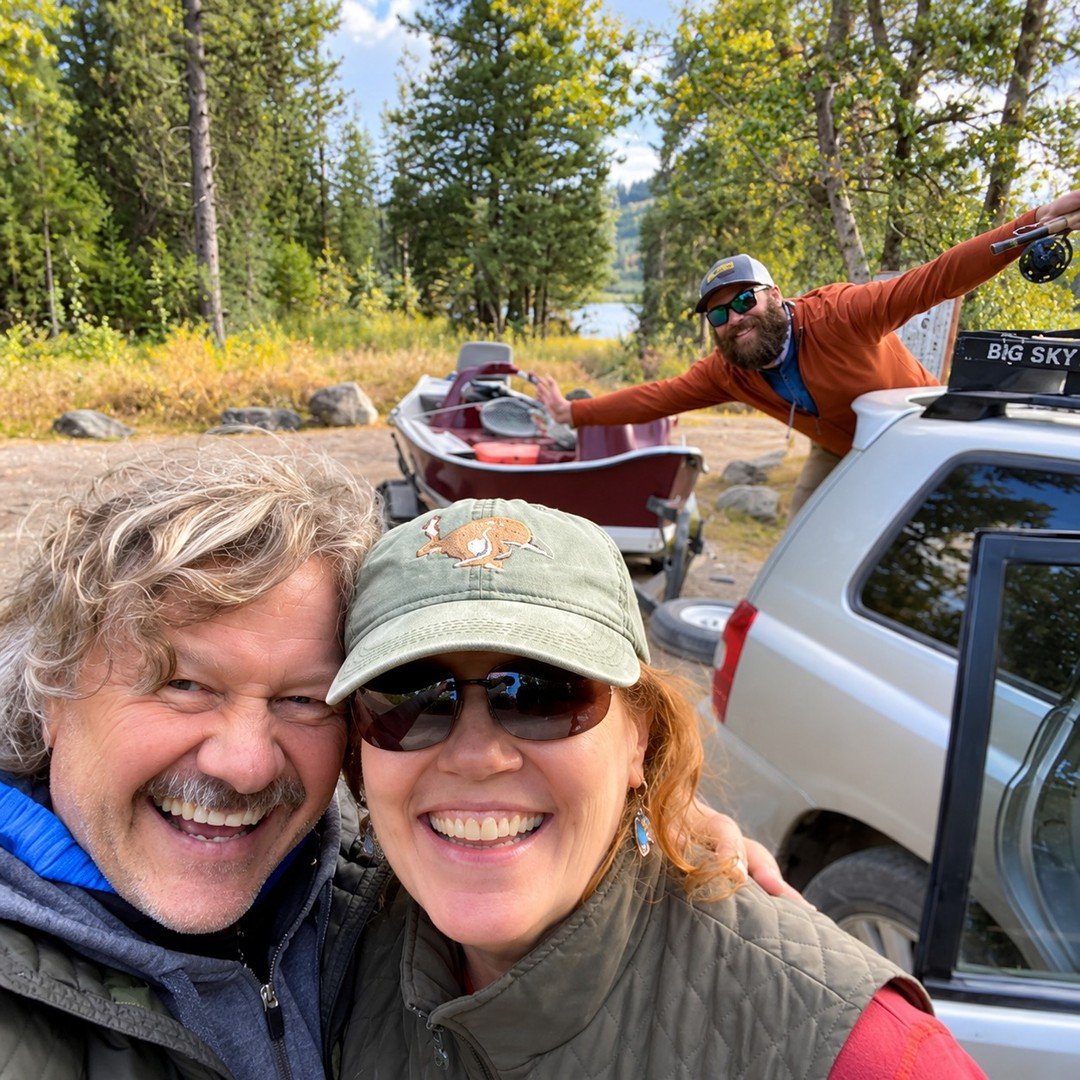
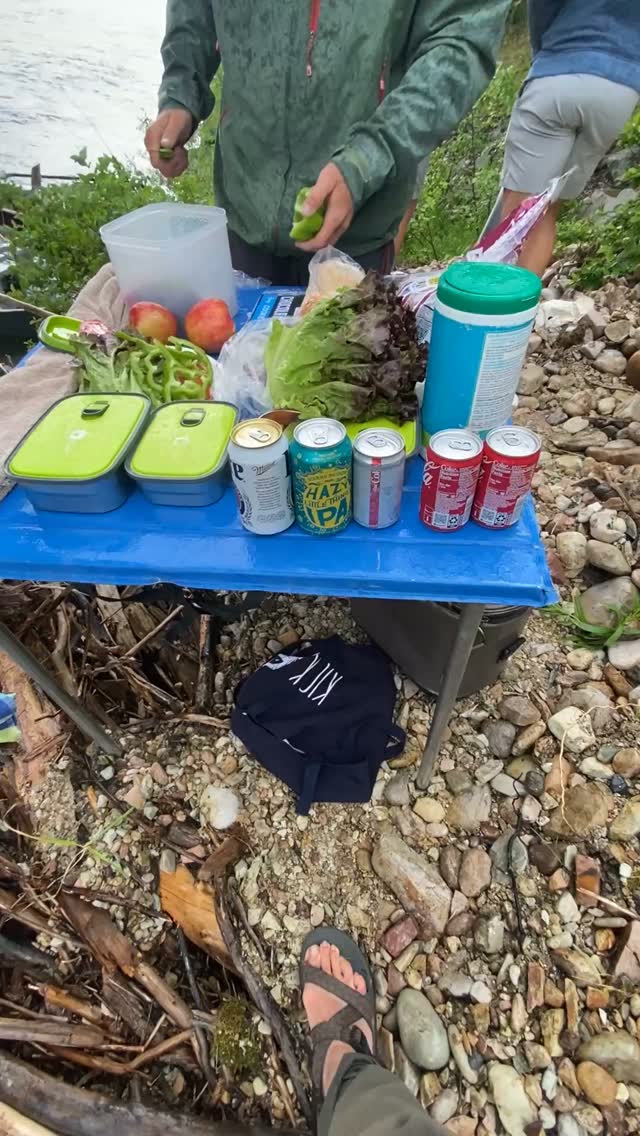
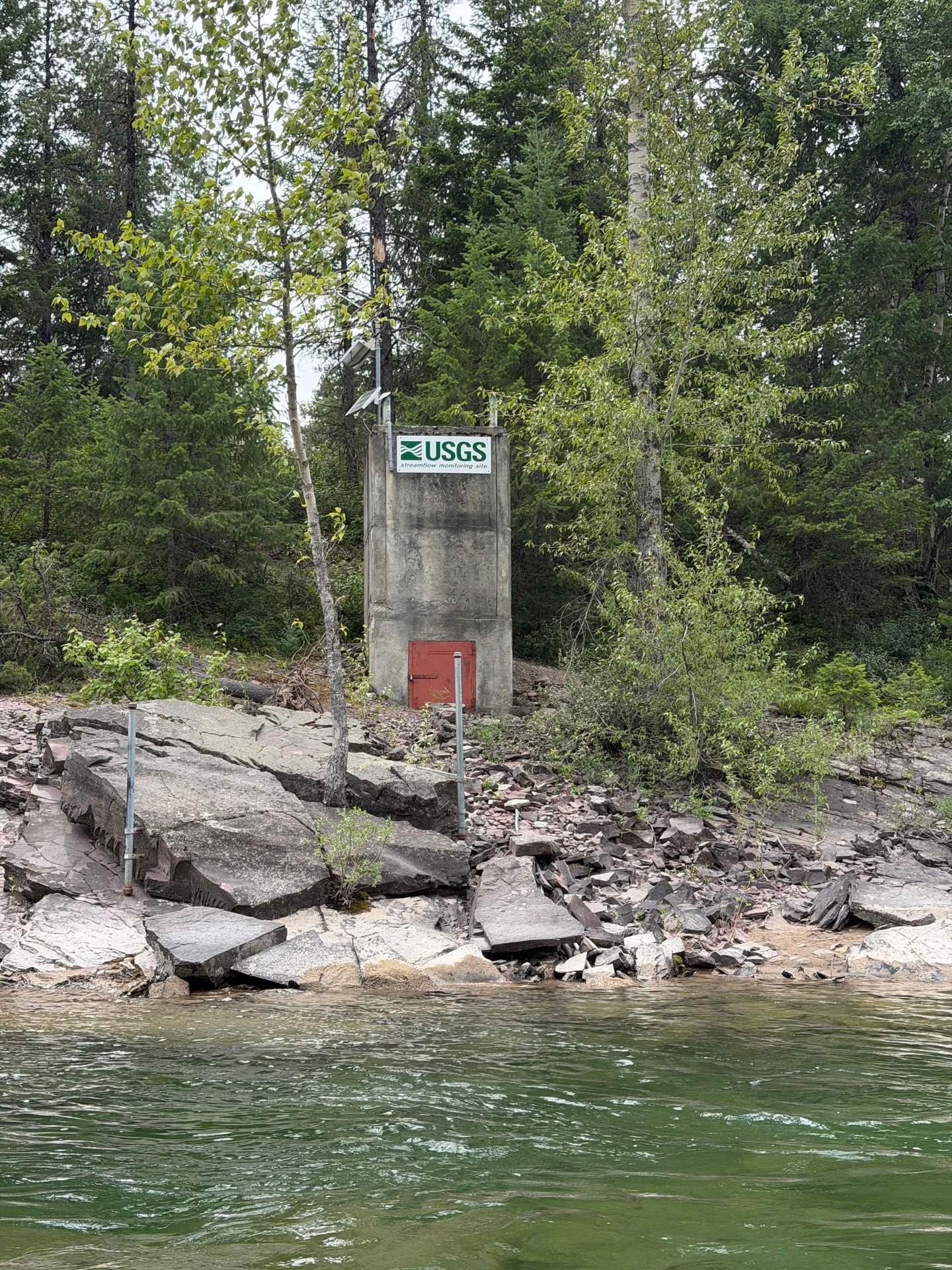
The first thing that woke Mark wasn’t the wind, and it wasn’t the sound of the river. It was fish. He was a few days into a 5-day wilderness float on the Middle Fork of the Flathead, sleeping in the raft to save pack weight. What woke him was the sound of splashy rises just downstream of where he was sleeping. A spruce moth hatch had come off overnight, and by the time he sat up, the first light was hitting the water, and cutthroat noses were breaking the surface everywhere he looked. Looking back, this was one of those unforgettable moments that shaped our care and wonder for cutthroat trout. Let’s give one of Montana’s most beloved species a closer look.
What Is a Westslope Cutthroat Trout
Montana has two native cutthroat subspecies, and together they’ve been named the state fish. West of the Continental Divide, that’s the westslope cutthroat trout, sometimes called the westslope blackspotted cutthroat. East of the divide, it’s the Yellowstone cutthroat. The split mostly follows the geography you’d expect, with one interesting exception: in a few high-country drainages, westslope cutthroat crossed naturally to the east side of the divide as headwaters spilled over long before anyone was managing rivers. There was no stocking truck involved, just geology doing its thing over a long enough timeline.
Telling the two apart comes down to spotting. Westslope cutthroat carry heavy spotting near the tail that thins out as it moves up toward the shoulder. Yellowstone cutthroat are more evenly spotted across the whole body, with fewer, larger spots overall. According to Montana Fish, Wildlife and Parks, the cutthroat name itself comes from the red slash near the lower jaw both subspecies share, a detail that’s easy to miss on a quick release but obvious once you know to look for it.

The Impacts of a Nutrient-Poor River
Thousands of years of glacial activity carved out these headwaters and left behind rock and gravel with very little soil or organic material mixed in. That’s part of why the water runs so clear you can see thirty feet down in places. It’s also why the river doesn’t carry much sediment or nutrient load. Less nutrient means fewer aquatic insects living in the cobble, which means cutthroat generally don’t rely on subsurface food the way trout in richer systems do.
So they look up. Terrestrial insects, hoppers, ants, and moths falling off streamside brush make up a bigger share of a Flathead cutthroat’s diet than you’d find in most western rivers. Combine that with a short growing season and a fish that doesn’t have the luxury of being picky, and you get a species that will commit to a fly with less hesitation than a brown or rainbow trout typically shows. Bigger flies often outperform smaller, more exact imitations, simply because a cutthroat working with limited food and limited time isn’t going to pass up an easy meal. That’s also why cutthroat have a reputation as a forgiving fish for beginners.
A Migratory Trout, Which Is Unusual for a Mountain Fish
Most people don’t associate migration with river trout, but the Flathead’s cutthroat population does exactly that. When water temperatures drop into cooler temps, cutthroat leave the rivers and winter in Flathead Lake. They come back the following spring once temperatures climb into a narrow window, typically around the middle to late part of March.
Once they’re moving, they cover water. The system these fish use stretches past 250 miles of connected river, with water reaching into Canada, the Bob Marshall Wilderness, and the Great Bear Wilderness. That range means a guide can’t just plant a boat in one spot and expect fish to show up on schedule. Timing where these fish are, not just how to catch them, is most of the job.
By fall, the pattern reverses. As nights lengthen and the coldest headwater stretches drop into the low 40s, cutthroat move back downstream, a chase that continues into late October or sometimes November before the fish settle back into the lake for the winter.

Spawning Season Comes With Its Own Protection
Cutthroat spawn in spring, and they do it during the highest, most turbid water of the year. It’s actually really neat because spawning in small tributaries during peak runoff keeps them almost entirely out of reach of anglers without anyone having to impose a closure. A handful of lakes are the exception, where high water conditions can put spawning fish within casting range, and on those waters, staying off spawning fish isn’t a rule so much as a practical decision. We care about protecting future generations of this fish because it’s how we get to keep doing what we love, catching cutthroat trout on this water.
A Fishery Shaped by a Railroad and a Dam
The Flathead was historically a westslope cutthroat, bull trout, northern pike minnow and mountain whitefish fishery. That changed when the railroad arrived in the early 1900s, bringing loggers and workers who needed a reliable food supply. Rainbow trout, lake trout, and several other non-native species were introduced through that rail line. Most weren’t close enough relatives to cutthroat to cause lasting genetic problems. Rainbow trout were the exception. Sharing close spawning habits and overlapping habitat with cutthroat, rainbow trout began interbreeding where the two species crossed paths, initially concentrated in the lower stretches of river near Flathead Lake where rainbow trout were first introduced.
The damage accelerated decades later. In the 1990s, the state purchased a private fish hatchery on the Middle Fork that had been breeding rainbow trout. Rather than dispose of the hatchery’s brood stock, tens of thousands of rainbow trout were released into the system in a single day, a point-source event that’s rarely discussed publicly but that fisheries researchers now point to as a major driver of the hybridization the Flathead has seen since. The result is what anglers call a cutbow, a cutthroat-rainbow hybrid, and biologists tracking the trend have documented it spreading faster in recent years.
There’s one major exception, and it’s a genuinely remarkable one. The South Fork of the Flathead, isolated by Hungry Horse Dam since 1952, has stayed almost entirely free of that interbreeding, since invasive species were physically blocked from reaching the drainage. According to Montana Fish, Wildlife and Parks, the South Fork now holds the largest genetically pure population of westslope cutthroat trout in the world, a fact confirmed through ongoing genetic research from U.S. Geological Survey scientists working in Glacier National Park. It’s an unusual case where a dam, normally bad news for a native trout fishery, ended up being the reason a population survived intact.
Knowing how much human history shaped where this fish stands today only makes the fishery more worth caring about.

What This Means for Anglers
Cutthroat aren’t usually a year-round target here, though a few sections hold them through every season. Show up outside the window when fish are present in the rivers, and no amount of skill will change that. Timing often matters more than technique in these waters. If you’re planning a first trip to the area, our guide to fly fishing near West Glacier covers what to expect and when to go.
They’re also a cold-water species with limited tolerance for warm water, which becomes a real concern as summer temperatures push into the mid to high 60s in certain stretches. Respecting that, handling fish quickly, keeping them wet, getting them back in the water fast, and not fishing at all if the temp is above 67 degrees are all key parts of what keeps a fishery like this one healthy and thriving.
Frequently Asked Questions
What’s the difference between a westslope cutthroat and a Yellowstone cutthroat trout?
Westslope cutthroat carry heavier spotting concentrated near the tail that fades toward the shoulder, while Yellowstone cutthroat are more evenly spotted across a larger body with fewer total spots. Geography is the other tell. Westslope cutthroat are found west of the Continental Divide, with Yellowstone cutthroat occupying water to the east.
Are westslope cutthroat trout native to the Flathead Valley?
Yes. Westslope cutthroat, along with bull trout and mountain whitefish, made up the historical fishery in the Flathead drainage before rainbow trout and other species arrived with the railroad in the early 1900s.
What time of year is best for catching westslope cutthroat trout in Montana?
Cutthroat in the Flathead system are migratory, wintering in Flathead Lake and moving back into the rivers once water temperatures climb into the warmer range, typically mid to late March. They stay through the warmer months before migrating back downstream in the fall as water cools.
Are westslope cutthroat trout good for beginner fly anglers?
Generally, yes. Nutrient-poor water pushes cutthroat toward feeding heavily on terrestrial insects at the surface, and a short growing season means they’re less selective than brown or rainbow trout. That combination makes takes easier to see and easier to time, which helps anglers still learning to read a drift.
Is the westslope cutthroat trout population declining in Montana?
Interbreeding with introduced rainbow trout is diluting the cutthroat gene pool, and that’s happening more over time. The Flathead is still a stronghold for cutthroat in the Rocky Mountains. The South Fork of the Flathead above Hungry Horse Dam has the most genetically pure cutthroat in the system, and it’s considered intact because invasive species couldn’t get past the dam.
Why do westslope cutthroat trout sometimes hybridize with rainbow trout?
Cutthroat and rainbow trout share close spawning habits and overlapping spawning habitat. Where their ranges cross, particularly in areas where rainbow trout were introduced upstream of existing cutthroat spawning grounds, interbreeding produces a hybrid known as a cutbow.

A Fish Worth Knowing, Not Just Catching
A westslope cutthroat isn’t remarkable because of size or numbers. It’s remarkable because of what it took for this specific population to still exist the way it does, glacier-fed water, a migratory life history that’s rare this far from the coast, and a genetic history shaped as much by a railroad and a dam as by anything natural. Understanding that doesn’t just make for a better fishing trip. It changes what a day on the water actually means.
If you want to see this fish for yourself and hear the rest of what makes this drainage unusual straight from someone who’s spent twenty years learning it, book a guided trip with Wild Montana Anglers or reach out with questions about timing your visit around the season these fish actually show up.