Fly Fishing in Glacier National Park: A Local Guide’s Perspective
Fly fishing in Glacier National Park is one of the most genuine ways to experience Montana’s wild beauty. With its crystal-clear waters, native trout, and rugged mountain backdrop, northwest Montana attracts anglers from around the world. The rivers within the park and throughout the region, like the Flathead, Thompson, and Missouri, offer diverse opportunities for both seasoned fly fishers and beginners.
Beyond the reward of the catch, these waters reflect the heart of conservation and ethical angling. Values that keep Montana’s fisheries thriving. In this guide, we’ll share the best times to fish, local species to target, essential gear and techniques, and how to approach each river with respect for the resource. Whether this is your first trip or your annual return, our goal is to help you fish smarter and more responsibly near Glacier National Park.
Why Glacier National Park Is Special for Fly Fishing
The Park’s Untouched Waters and Scenic Backdrop
Glacier National Park offers an experience that feels truly wild. Its lakes, creeks, and rivers are fed by ancient glaciers, creating some of the clearest and coldest trout water in the country. These streams carve through mountain valleys surrounded by jagged peaks and pine forests, giving anglers both solitude and scenery that are hard to find elsewhere.
Many of the park’s waters remain largely untouched, offering a glimpse of what fly fishing in Montana looked like generations ago. For those who appreciate nature as much as the sport itself, Glacier’s remote character makes every cast meaningful. Whether you’re hiking into a high alpine lake or fishing a shaded run along the Flathead River system, the sense of connection to the landscape is unforgettable.
Fly Fishing as a Tradition in Montana
Fly fishing has long been part of Montana’s identity. The rivers and creeks surrounding the park have shaped generations of anglers who see the sport as more than recreation. It’s a way of life. Here, respect for fish and water is just as important as catching them.
Local guides and conservation-minded anglers work together to protect native species like the Westslope Cutthroat Trout, a fish that symbolizes the health of these coldwater ecosystems. This shared respect keeps Montana’s fly fishing culture thriving and sustainable. For visitors, casting a line in Glacier’s waters isn’t just about catching trout, it’s about joining a legacy of ethical angling that connects people to the land, the fish, and the timeless rhythm of Montana’s rivers.

The Flathead River System
The Flathead River is one of the most iconic and productive fly fishing systems near Glacier National Park. Composed of the North, Middle, and South Forks, it offers a mix of float and wade fishing options that appeal to anglers of all experience levels. Each fork has its own personality:
- North Fork: Cold, clear, and remote, offering native Westslope Cutthroat and Rainbow Trout.
- Middle Fork: Borders the southern edge of the park and is ideal for scenic floats and dry-fly action.
- South Fork: Known for deeper runs and the chance to encounter Bull Trout.
The Flathead’s structure includes deep pools, fast riffles, and long tailouts, creating water that’s as diverse as it is beautiful. With its glacial clarity, stealth and accurate casting are key when fly fishing Flathead River. Floating allows you to cover miles of river, while wading smaller side channels provides solitude.
The Thompson River
The Thompson River offers a quieter, more intimate experience for anglers seeking smaller water and solitude away from busier destinations. This meandering river flows through forested canyons and open meadows, surrounded by wildlife and crisp mountain air. It’s an excellent wade fishery that rewards patience and a careful presentation.
Expect to find Brown Trout eager for technical nymphing and dry-dropper setups, with the occasional Rainbow, Brook Trout, Whitefish, and Cutthroat rising freely to dries under the right conditions.
Prime hatches: Caddis, Stoneflies, and Mayflies throughout summer.
Ideal for: Anglers who enjoy light rods, small flies, and deliberate casting.
Access: Numerous pull-offs along forest roads, with higher sections requiring short hikes.
Because the Thompson is sensitive to temperature and flow, anglers should stay mindful of conditions especially in mid-summer. Fishing early, handling fish gently, and avoiding fragile banks help keep this river as wild and healthy as it feels.
The Missouri River
The Missouri River, known locally as the Mighty Mo, is one of Montana’s most legendary tailwaters and a must-fish destination for serious fly anglers. Fed by cold releases from Holter Dam, it maintains stable flows and temperatures that support incredible trout populations year-round.
Species: Rainbow and Brown Trout, with exceptional average size.
Best techniques: Nymphing along seams, casting dries during prolific hatches, and swinging streamers through deeper channels.
Notable hatches: Pale Morning Duns, Caddis, and Blue-Winged Olives.
Whether you’re drifting from a boat or wading slow gravel bars, expect a mix of beauty and challenge. The river’s health stands as a testament to Montana’s conservation ethics and the respect local guides show their home waters. For anglers fishing near Glacier National Park, extending the trip to the Missouri River with Wild Montana Anglers completes the picture of Montana fly fishing from wild mountain headwaters to world-class tailwater trout.
Fish Species and Ethical Angling Practices
Native Trout and Their Role in the Ecosystem
Glacier National Park and its surrounding rivers are home to Montana’s most iconic trout species. The native Westslope Cutthroat Trout is the park’s signature fish, recognized by its bright orange throat slash and cooperative nature. These trout thrive in cold, clean, oxygen-rich waters making them key indicators of river health.
You might also encounter Bull Trout, another native species known for its strength and beauty. Bull Trout are federally protected and must be released immediately and unharmed. Non-native Rainbow and Brook Trout add variety and challenge, but anglers are encouraged to support native fish whenever possible.
Key points for responsible fishing:
- Learn to identify native species before you fish.
- Target Westslope Cutthroat Trout where populations are stable.
- Handle all fish carefully, regardless of species or size.
Best Handling Practices
Ethical fly fishing is rooted in respect for the resource. A few small adjustments in handling can make a big difference in fish survival rates:
- Use barbless hooks to reduce injury and speed up release.
- Wet your hands before touching a fish to protect its slime layer.
- Keep fish in the water as much as possible during release.
- Avoid squeezing or holding trout vertically by the jaw.
- In summer, fish early and stop if water temperatures climb above safe limits.
Taking the time to release fish properly is an investment in the future of the sport. Every healthy trout that swims away keeps Montana’s wild waters thriving.
Supporting Conservation Through Fly Fishing
At Wild Montana Anglers, we believe fly fishing should always give back to the waters that sustain it. Conservation isn’t just about protecting fish, it’s about preserving the entire ecosystem that makes Montana’s rivers so special. Supporting local organizations that restore habitat, control invasives, and monitor water quality helps ensure these fisheries stay vibrant for generations.
Even small actions like packing out trash, avoiding spawning redds, and following local regulations add to a real impact. When you fish with Wild Montana Anglers, you become part of a community that values stewardship as much as success. Every cast is a chance to connect with Montana’s wild waters while helping protect them for the future.

When to Fly Fish in and Around Glacier
Seasonal Guide
The fly fishing season near Glacier National Park runs from late spring through fall, with each season offering something unique. Conditions shift quickly, so understanding water levels, hatches, and temperatures helps you plan productive days on the water.
- Spring (May–June): High flows and snowmelt make for off-colored water which is perfect for streamers and larger flies. As runoff tapers, early hatches begin to pop.
- Summer (July–September): Prime time for fly fishing near Glacier. Steady flows, explosive insect activity, and aggressive trout feeding on the surface make for incredible dry-fly fishing, especially for Cutthroat and Rainbows on the Flathead River.
- Fall (October–early November): Cooler temps, quieter rivers, and hungry trout. Streamers and Blue-Winged Olives shine, especially on the Missouri River. It’s hard to beat autumn for scenery and solitude.
Checking local fishing reports and staying flexible with timing ensures the best experience possible.
Daily Conditions
Trout behavior in Glacier’s cold, clear rivers shifts with light and temperature, so timing your day makes a difference.
- Morning: Cool water and soft light mean active fish, often the best window in summer.
- Midday: As the sun climbs, trout move deeper. Switching to nymphs or targeting shaded water can pay off.
- Evening: Hatches peak at dusk, especially caddis and mayflies. There’s nothing like casting dries in the glow of a Montana sunset.
Remember: if water temps rise above 66°F, it’s time to give the fish a rest. Fishing with that kind of respect keeps the resources and the memories alive for everyone.
Flies, Gear, and Techniques That Work Here
Fly Selection by Season
Matching the hatch is part of the fun. Here’s a quick seasonal rundown for the Glacier region:
- Spring: San Juan Worms, Pat’s Rubber Legs, Stonefly Nymphs, Woolly Buggers.
- Summer: Elk Hair Caddis, Parachute Adams, Hoppers, Ants, Beetles.
- Fall: Streamers and Blue-Winged Olives. Big trout, cool water, and bold takes.
Keep your fly box varied, and watch what’s hatching. The clearer the water, the more precise your match should be.
Recommended Gear Setup
- Rod and Reel: A 9’ 5-weight handles most conditions. Drop to a 4-weight on smaller waters like the Thompson.
- Lines and Leaders: Floating lines are standard; a sink-tip helps for streamers. 9–12 ft leaders with 4X–5X tippet cover most setups.
- Wading Gear: Breathable waders, sturdy boots, and polarized sunglasses are essentials.
- Extras: Rubber net, forceps, rain gear, sunscreen and bear spray. Montana weather keeps you guessing.
Pack smart, stay light, and you’ll be ready for anything the day brings.
Presentation and Local Tactics
Success in Glacier’s waters comes down to stealth, accuracy, and patience.
- Read the seams and riffles where trout feed.
- Use smaller, natural flies on bright days; switch to larger patterns when clouds roll in.
- Approach slowly, cast upstream, and let the drift work.
- Mix up dries, nymphs, and streamers until you find what trout want.
Every river has its rhythm. Learn it, and you’ll find the magic that makes Montana fly fishing unforgettable.

Regulations and Permits Every Angler Should Know
Before you fish in or around Glacier National Park, make sure you have the right license.
- State Waters: Most rivers, including the Flathead, Thompson, and Missouri, require a Montana fishing license (available online or at local shops).
- Inside Glacier National Park: No separate park fishing permit is required, but National Park Service rules still apply.
- Tribal Lands: Check for additional permits on Blackfeet or Confederated Salish and Kootenai lands.
Follow Montana Fish, Wildlife & Parks regulations. Adhere to barbless hooks, artificial flies only, and catch-and-release where posted. Ethical angling keeps these waters and their fish, thriving.
Planning Your Glacier Fly Fishing Trip
Access and Travel Tips
West Glacier and Columbia Falls make perfect basecamps for anglers. Kalispell and Whitefish add more lodging and dining options, and all offer quick access to the Flathead River system.
- Arrive early for parking and calm water.
- Bring maps and a reliable vehicle because cell service fades fast in the backcountry.
- Pack for changing weather; layers are key.
Hiring a Local Guide
Hiring a local guide can turn a good day into an unforgettable one. At Wild Montana Anglers, our knowledgeable and patient guides tailor every trip to your skill level, interests, and conditions. Whether you’re brand new to fly fishing or chasing that trout of a lifetime, we’ll help you learn, relax, and connect with Montana’s wild rivers.
Benefits include:
- Expert instruction on casting, fly selection, and reading water.
- Access to lesser-known stretches.
- Safe, comfortable, conservation-minded guiding.
Customizing Your Trip
Every angler’s dream day looks a little different, and Glacier’s waters make it easy to design your perfect trip.
- Beginners: The Flathead River’s main stem and forks offer easy wading and willing Cutthroat.
- Adventurers: Explore the Thompson or hike to alpine lakes for solitude and wild fish.
- Multi-Day Explorers: Pair a day on the Missouri with Glacier’s smaller waters for variety.
No matter your goals, our team will build the experience around you.

Responsible Fly Fishing Near Glacier: Our Promise
The Heart of Ethical Angling
Fly fishing around Glacier is more than a pastime. It’s a connection to fragile, beautiful ecosystems. Every cast and every release matters.
- Respect catch-and-release regulations.
- Use barbless hooks and artificial flies.
- Avoid spawning areas.
- Fish early or late when water is cool.
- Leave every spot cleaner than you found it.
At Wild Montana Anglers, safety and stewardship guide everything we do.
Supporting Montana’s Future Fisheries
Montana’s world-class fisheries depend on clean water, healthy habitat, and informed anglers. We’re proud to partner with conservation groups, advocate for habitat restoration, and share knowledge about native species with every guest.
We believe every angler has the power to be a steward of the resource and we’re here to show you how. Together, we can keep Montana’s wild rivers thriving for generations to come.
Frequently Asked Questions
Do you need a fishing license to fly fish in Glacier National Park?
Yes. If you plan to fish state waters near the park, you need a valid Montana fishing license. Within certain parts of Glacier National Park, no state license may be required, but federal and park-specific rules still apply. Always check the latest Glacier National Park fishing regulations and boundary maps before you fish.
What trout species can I catch fly fishing near Glacier?
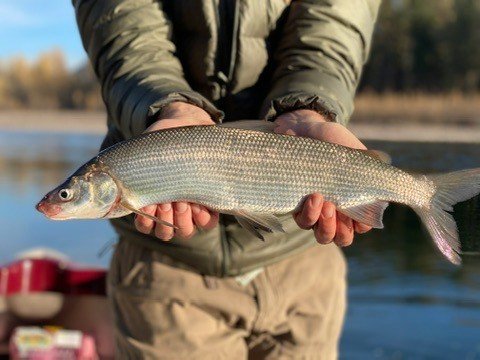
You’re most likely to find native westslope cutthroat trout in the park and surrounding rivers, along with rainbow trout in mixed waters. Bull trout are present but are federally protected and must be released unharmed. Mountain whitefish may also provide consistent action in certain streams.
When is the best time to fly fish around Glacier National Park?
The prime season typically runs from late April and May through late September, once snowmelt subsides and water clarity improves. Mornings and evenings are often the most productive, especially during insect hatches in summer. Fall can also bring excellent fishing, as trout feed more aggressively in cooler conditions.
Are artificial flies required in Glacier’s waters?
Yes. Glacier National Park mandates the use of artificial flies or lures; live bait is prohibited in many park waters. Many of the rivers also require barbless hooks to reduce harm to fish. These rules are in place to protect fragile aquatic ecosystems and native species.
Which rivers near Glacier are best for guided fly fishing trips?
The Flathead River (Mainstem, North and Middle Forks) is a go-to for guided trips due to its size, access, and trout populations. The mainstem of the Flathead is the most consistently guided drainage in the area. The Thompson River offers a quieter, smaller water experience ideal for wading. For a different style, trips might also include sections of the Missouri River, especially on extended adventures.
How can anglers support conservation when fishing near Glacier?
Simple practices make a big difference. Always use proper catch-and-release methods, carry out all trash, and avoid disturbing spawning areas. Booking a guide like Wild Montana Anglers also helps, since guides often contribute to habitat restoration and native species projects. Following local regulations and learning about river health ensures future generations can enjoy these waters too.
Experience the Best Fly Fishing in Glacier National Park
Fly fishing in Glacier National Park connects you deeply to Montana’s wild landscapes and pristine waters. From the Flathead’s clear currents to the quiet Thompson and the legendary Missouri, each river offers its own challenge and reward.
Whether you’re new to fly fishing or a lifelong angler, fishing responsibly and with purpose makes the experience rewarding.
Ready to make memories on Montana’s rivers?
Book your guided trip with Wild Montana Anglers today. Discover the beauty, balance, and excitement of fly fishing near Glacier National Park with guides who care as much about conservation as they do about the catch.